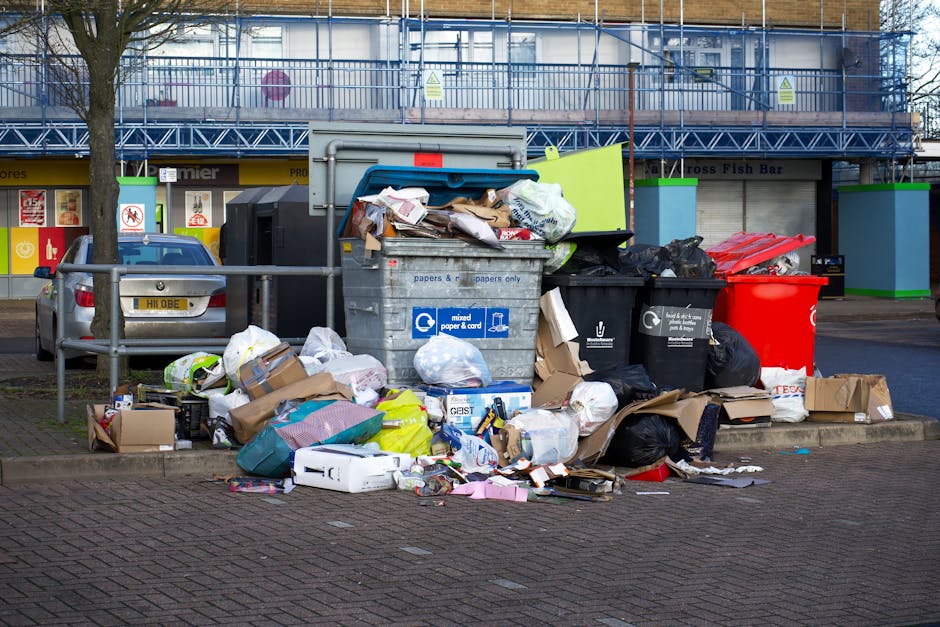
St Johns Wood High Street rubbish clearance tips: a practical local guide
If you have ever stood on or near St Johns Wood High Street looking at a pile of broken furniture, bagged waste, or the leftovers from a clear-out and thought, "Right, where do I even start?", you are in the right place. St Johns Wood High Street rubbish clearance tips are really about making a busy, local job simpler: clearing waste safely, choosing the right method, and avoiding the kind of mistakes that can turn a quick tidy-up into a stressful day.
That matters more than people think. In a place like St John's Wood, space is valuable, pavements are active, and timing counts. Whether you are clearing a flat, refreshing a shopfront, or dealing with post-renovation debris, a smart approach saves time, reduces disruption, and keeps things tidy for neighbours too. This guide walks you through the practical side of rubbish clearance with clear steps, useful comparisons, local know-how, and a few hard-won lessons that tend to come up only after the job is already underway.
Quick takeaway: the best rubbish clearance is usually the one that is planned before the first bag is lifted. Sort first, measure access, check disposal options, and only then start moving waste out. Simple enough. Not always easy, but simple.
Table of Contents
- Why St Johns Wood High Street rubbish clearance tips matters
- How rubbish clearance works in practice
- Key benefits and practical advantages
- Who this is for and when it makes sense
- Step-by-step guidance
- Expert tips for better results
- Common mistakes to avoid
- Tools, resources and recommendations
- Law, compliance, standards, and best practice
- Options, methods, and comparison table
- Case study or real-world example
- Practical checklist
- Conclusion
- Frequently asked questions
Why St Johns Wood High Street rubbish clearance tips Matters
St Johns Wood High Street is not the kind of place where rubbish can be left to sort itself out. The area is busy, the footfall can be steady throughout the day, and many properties have tight access, shared entrances, or limited loading space. That changes the whole game. A clearance job that would be straightforward in a larger industrial area can become awkward very quickly on a residential high street with parked cars, narrow paths, and people moving in and out all day.
It also matters because rubbish clearance is rarely just about "getting rid of stuff." It is about protecting flooring, walls, lifts, stairwells, and the general feel of the property. One dragged sofa can scuff a hallway. One overfilled sack can split on the pavement. One badly timed collection can block an entrance when people are arriving for work or appointments. You know how it goes: everything looks fine until the bag tears open, and then the neat plan gets a bit messy.
There is another side to it too. In local areas with mixed residential and commercial use, goodwill matters. Keeping waste under control helps avoid complaints, keeps entrances clearer, and makes the area feel cared for. That is especially useful if you are managing a landlord turnover, a shop refit, an office tidy-up, or a household declutter. A tidy street-facing presence says more than people realise.
If you are planning a larger project, it may help to look at related guidance on rubbish clearance services and house clearance support so you can match the method to the volume and type of waste.
How St Johns Wood High Street rubbish clearance tips Works
The basic process is simple, but the detail matters. First, identify what needs removing. Then split the waste into sensible groups: general rubbish, bulky items, recyclable materials, reusable items, and anything that needs special handling. After that, decide how it will leave the property. Will it be bagged and lifted? Do you need a team for bulky lifting? Is there a skip-friendly access point, or would that cause more disruption than it solves?
In real life, the best clearance plan is usually the least glamorous one. A bit of sorting before moving anything saves time later. It also gives you a clearer idea of what can be reused, what can be donated, and what must be disposed of carefully. For example, an office clear-out may include cardboard, monitors, filing cabinets, and old chairs. A flat clearance might involve mixed bags, mattresses, and a few odd items that are too large to leave by the door without causing a problem.
Most successful clearances on or around a busy street follow a similar rhythm:
- walk through the space first
- identify access points and obstacles
- separate waste by type
- protect surfaces where needed
- move heavier items safely
- load efficiently to reduce trips
- dispose of waste using the right route
That last point is the one people sometimes skip. But disposal route matters. A well-organised load can reduce trips, reduce mess, and make the whole job feel calmer. Not exciting, granted, but very effective.
Key Benefits and Practical Advantages
Good rubbish clearance is not just about removing clutter. Done properly, it creates a chain of benefits that show up immediately and keep paying off after the job is finished.
1. Faster turnaround. When waste is sorted and access is planned, the physical removal happens much more quickly. Fewer trips, fewer surprises, less standing around trying to figure out what goes where.
2. Less disruption. On a high street, disruption is the thing people remember. A tidy, planned clearance keeps hallways, entrances, and pavements clearer for everyone else.
3. Better presentation. If you are letting, selling, refurbishing, or simply refreshing a property, a clean space makes a strong difference. People notice order. They really do.
4. Better handling of reusable items. Not everything has to go straight to disposal. Some items can be sold, reused, or passed on. That may not always be practical, but when it is, it reduces waste and can sometimes offset costs.
5. Lower risk of mistakes. A rushed clearance can lead to broken items, damaged walls, blocked entrances, or even incorrect disposal. Planning reduces the chance of all that.
For larger projects, some readers also compare clearance with man and van collection support or broader commercial clearance services, especially when a mix of household and business waste is involved.
Who This Is For and When It Makes Sense
These tips are useful for anyone dealing with waste removal in the St John's Wood area, but they are especially helpful if you are managing a situation where space, timing, or access is limited.
- Homeowners and tenants clearing out a flat, garage, loft, or storage room
- Landlords and letting agents between tenancies or after end-of-lease clean-outs
- Shop owners needing to remove packaging, fixtures, or old stock
- Office managers dealing with desks, chairs, files, and general business waste
- Builders and trades removing light renovation debris, timber offcuts, and packaging
- Property managers coordinating waste removal for multiple units or shared areas
It also makes sense when the job looks small at first glance but turns out to be a bit more involved. That spare room full of "stuff we will deal with later" can become a surprisingly full van load. Same with old furniture. One sofa is one sofa. Three wardrobes, a mattress, and a broken desk suddenly become a different discussion.
If you are not sure which route fits your situation, it may be worth reading more about office clearance or same-day rubbish removal depending on how urgent the job is.
Step-by-Step Guidance
Here is a practical way to handle a rubbish clearance around St Johns Wood High Street without making life harder than it needs to be.
Step 1: Walk through the space before you touch anything
Take five to ten minutes and look properly. Check the item volume, the type of waste, the route out, and any awkward points such as narrow hallways, stairs, lifts, or parking restrictions. This small pause often prevents the biggest headaches.
Step 2: Sort the waste into clear groups
Use separate piles or bags for general rubbish, cardboard, metal, wood, furniture, electricals, and anything that needs special attention. If you are mixing everything together, you are making the job slower. Also messier. Usually both.
Step 3: Remove anything reusable or valuable first
Before you throw items away, check whether any furniture, appliances, or materials can be reused, sold, or donated. Even if you only rescue a few good items, that is worth doing. It keeps waste down and may reduce the overall clearance load.
Step 4: Protect the route out
In homes and commercial premises alike, protect floors and corners where items could scrape. Cardboard, blankets, and basic surface protection can save you from small but annoying damage. The kind of damage that seems tiny until you notice it three days later.
Step 5: Lift heavy items with a plan
Do not improvise with heavy furniture or awkward loads. Use two people if needed. Lift with care, clear the path, and avoid twisting on stairs. If an item feels too large or too risky, stop and reassess. That is not being cautious for the sake of it; that is being sensible.
Step 6: Load in the right order
Put heavy, flat, and stable items in first, then fill gaps with lighter waste where safe to do so. This makes the load more secure and reduces wasted space. A neat load often means fewer journeys, which is especially helpful where access is tight.
Step 7: Dispose of waste through the appropriate channel
Choose the right disposal method for the waste type and quantity. For mixed loads, it is wise to confirm that the collection route can handle everything you have separated. If you are using a professional service, ask how they deal with recyclable items and any waste that needs specific handling.
Step 8: Do a final sweep
Once the main clearance is done, check the space again. Look for screws, packaging strips, dust, and small items that tend to hide behind furniture. It only takes a few minutes, and it leaves the place genuinely ready for use again.
Expert Tips for Better Results
These are the small things that tend to separate a smooth clearance from a frustrating one.
- Book for the quietest practical time. On a busy high street, timing matters more than people expect. Avoiding peak footfall can make loading easier and keep everyone calmer.
- Measure bulky items before moving day. Doors, stairwells, and turns can turn a simple job into a puzzle. A quick measurement beats a stuck wardrobe every time.
- Label bags if the waste types are mixed. It sounds minor, but it helps prevent confusion when multiple people are involved.
- Keep valuables and paperwork separate. Once a bag is gone, it is gone. We have all seen that near-miss. Not fun.
- Use the right containers. Thin bags split easily. Strong bags and proper boxes reduce spills and make handling safer.
- Ask about recycling before you start. Many people only think about recycling after the waste is already packed. That is backwards. A bit of thought upfront can improve the whole process.
One thing that helps enormously is having a "decision pile" for items you are not sure about. Keep those objects to one side and revisit them near the end. That stops uncertainty from slowing the whole job down. It is a tiny habit, but it works.
If you want a broader view of organising larger removals, see also the guidance on furniture removal and waste collection options.
Common Mistakes to Avoid
Most clearance problems are avoidable. The trouble is, the mistakes look harmless at the start.
- Leaving sorting until the end. This is the classic one. It creates confusion, slow loading, and more trips than necessary.
- Underestimating volume. What looks like four bags on paper can become two van loads in real life. Happens all the time.
- Ignoring access restrictions. Tight entrances, parking limits, and stairwell bottlenecks can all slow the job down.
- Mixing electrical items with general waste. Electricals often need separate handling, so do not casually throw them in with everything else.
- Forgetting about neighbours or shared spaces. In mixed-use or residential blocks, keeping routes clear and noise down makes a big difference.
- Choosing speed over safety. Rushing heavy lifting is how small jobs become awkward ones.
There is also the less obvious mistake of not asking enough questions before the collection day. What exactly is being removed? Are there any items that need special handling? Is the waste all on one floor? A few extra minutes of planning can save an hour later. Maybe more.
Tools, Resources and Recommendations
You do not need a huge toolkit for a well-run clearance, but a few basics make the job much easier.
- Heavy-duty bags or sacks for mixed light waste
- Gloves for grip and protection
- Trolley or sack truck for heavier or bulkier items
- Blankets, cardboard, or floor protection for protecting walls and surfaces
- Labels or marker pens for sorting waste into categories
- Tape measure for checking access and bulky item dimensions
- Boxes or crates for paperwork, loose items, and small valuables
For some jobs, particularly if there are multiple item types involved, it can help to check related service pages before booking. For example, a property clear-out may sit alongside flat clearance, property clearance, or bulky waste removal. Choosing the right service is often the difference between a tidy, easy clearance and a job that needs to be reworked halfway through.
And one more recommendation, a practical one: keep a small note of what is being removed before the team arrives. It sounds very basic, but basic is good. Basic means fewer surprises.
Law, Compliance, Standards, and Best Practice
When rubbish clearance involves homes, shops, or offices, it is wise to follow standard UK waste practices and dispose of items responsibly. That means using an appropriate route for the waste, avoiding fly-tipping, and being careful with anything that could be hazardous, sharp, heavy, or contaminated.
In plain English, the important thing is this: do not leave waste where it could create a nuisance or a risk, and do not hand mixed rubbish to someone who is not set up to manage it properly. If you are a business owner or property manager, keeping clear records of what has been removed can also be sensible, especially for larger or repeat clearances.
For electrical items, paint, chemicals, fluorescent tubes, and similar materials, treat them separately unless you have confirmed they can be collected safely within the chosen service. The same cautious approach applies to items that may be sharp, dusty, mouldy, or especially heavy. No one thanks you for guessing wrong there.
Best practice usually comes down to three simple habits:
- sort the waste properly before removal
- use a reputable collection method for the waste type
- keep the property, pavement, and shared areas clean throughout the process
If you are unsure about a particular item, ask before the job starts. That is not overthinking it; it is the sensible way to avoid trouble later.
Options, Methods, or Comparison Table
Different rubbish clearance situations call for different approaches. The right choice depends on volume, urgency, access, and the type of waste involved.
| Method | Best for | Pros | Watch-outs |
|---|---|---|---|
| Bag-and-carry clearance | Small to medium volumes, mixed light waste | Flexible, neat, often quick for flats and small premises | Can become slow if there are many trips or heavy bags |
| Bulky item removal | Sofas, beds, wardrobes, desks, appliances | Good for large single items and awkward lifting | Needs careful access planning and safe handling |
| Full property clearance | End-of-tenancy, probate, refurbishment, major declutters | Handles larger volumes in one organised visit | Needs good sorting and a clear understanding of what stays |
| Commercial clearance | Shops, offices, hospitality spaces, mixed business waste | Useful for larger, time-sensitive, or multi-item jobs | May require extra planning around opening hours and access |
A lot of people assume the biggest option is always best. Not really. A small, well-planned clearance often beats a larger, less organised one. The smart move is choosing the method that fits the actual job, not the imagined one.
Case Study or Real-World Example
Here is a realistic example. A landlord in a St John's Wood flat needed the property cleared between tenancies. The flat had a mix of items: a broken bed frame, a wardrobe, bagged general rubbish, a few boxes of leftover belongings, and some electrical bits from an old setup. Access was through a shared hallway, and the building had limited space near the entrance. Nothing dramatic, but enough to be awkward if handled badly.
The useful part of the job was the planning. The items were sorted before moving day, the reusable bits were separated, and the larger furniture was identified in advance so the route out could be checked. Floors were protected in the narrowest sections, and the smaller waste was staged so it could be taken out in sensible loads rather than one chaotic pile. Not glamorous, but it worked.
The result was a clearer flat, less disturbance in the building, and a much smoother handover. The main lesson? The actual lifting mattered less than the preparation. To be fair, that is true of a lot of clearance work. You can't skip the setup and expect the rest to magically behave.
For a similar type of job, readers often benefit from looking at end of tenancy clearance and skip hire alternatives to decide which approach best suits the property and timing.
Practical Checklist
Use this checklist before any rubbish clearance around St Johns Wood High Street. It keeps the job grounded and stops little details from slipping through.
- Confirm exactly what needs removing
- Separate waste into clear categories
- Identify anything reusable, valuable, or sensitive
- Measure bulky items and check access routes
- Protect floors, corners, and shared hallways if needed
- Prepare strong bags, boxes, or containers
- Make sure heavy items have two-person handling where needed
- Keep electrical, sharp, or unusual items separate
- Plan timing to reduce disruption on the high street
- Check the space after clearance for small leftovers
- Confirm disposal arrangements before collection day
If you can tick most of those off before the team arrives, the rest usually goes much more smoothly. And yes, a little boring preparation really is doing a lot of the heavy lifting.
Get a free quote today and see how much you can save.
Conclusion
The best St Johns Wood High Street rubbish clearance tips are the ones that keep the job simple, safe, and properly organised. Sort early. Measure access. Choose the right disposal method. Keep the route clean. Those basics make a bigger difference than any fancy shortcut ever will.
Whether you are clearing a flat, a shop, an office, or a mixed-use property, the goal is the same: remove waste without creating extra problems. That is the real value of a good clearance plan. Less stress, less mess, and a space that feels ready again. A proper fresh start, really.
If you are still weighing up the best route, start with the size and type of waste, then match the service to the job. That one decision often sets everything else up neatly. And if the day feels a bit overwhelming, that is normal. One bag, one item, one clear route at a time.
When the space is finally clear and the last awkward box is gone, it always feels better than expected. Quietly better. The kind of better that lets you breathe out.
Frequently Asked Questions
What is the easiest way to manage rubbish clearance on St Johns Wood High Street?
The easiest way is to sort everything first, check access, and choose a removal method that matches the volume and type of waste. A planned approach usually saves time and avoids last-minute problems.
Do I need to separate recyclable items before rubbish clearance?
Yes, if you can. Separating cardboard, metal, wood, electricals, and general waste makes disposal more efficient and helps reduce unnecessary mixing of materials.
How do I know if I need a full clearance or just a bulky item removal?
If you only have one or two large items, bulky item removal may be enough. If the property contains mixed waste, multiple bags, or a full room's worth of items, a fuller clearance is usually more suitable.
Is same-day rubbish removal a good idea for a busy high street area?
It can be, especially if you need a quick turnaround. The key is confirming access and waste type before booking so the job can be completed smoothly and without delays.
What should I do with electrical items during a clearance?
Keep electrical items separate unless the collection service confirms they can handle them safely. This includes small appliances, monitors, and other plug-in items.
How can I avoid damaging walls or floors during clearance?
Use floor protection, take measurements before moving bulky items, and lift carefully through tight spaces. If an item seems awkward, pause and plan the route before moving it.
What if I am clearing a flat with very limited access?
Limited access usually means you need more planning, not necessarily more time on site. Measure doorways, stairs, and turning points in advance, and make sure the load is broken down where possible.
Can rubbish clearance help with end-of-tenancy move-outs?
Yes. It is often one of the most useful steps during a move-out because it helps leave the property clean, presentable, and ready for inspection or re-letting.
Are there any items I should never put in mixed rubbish?
Yes. Sharp items, certain electricals, chemical containers, and anything potentially hazardous should be handled separately or with proper guidance. If in doubt, keep the item aside and ask.
How far in advance should I plan a rubbish clearance?
For a simple job, a short lead time may be fine. For a larger clearance, or one involving access constraints, it is better to plan early so sorting, timing, and disposal can all be arranged properly.
What is the biggest mistake people make with rubbish clearance?
The biggest mistake is usually underestimating the volume and leaving sorting until the last minute. That combination creates confusion, extra handling, and more disruption than necessary.
Can I reuse or donate items during a clearance?
Often, yes. If items are clean, usable, and in good condition, it is worth separating them before disposal. It is a practical way to reduce waste and avoid throwing away things that still have life in them.