Effective Strategies to Minimize Waste in Your Home
Every day, households generate vast amounts of waste, contributing significantly to environmental problems such as overflowing landfills, greenhouse gas emissions, and pollution. Fortunately, adopting conscious habits and practical solutions can make a profound difference. Whether your goal is to reduce, reuse, or recycle, a more sustainable lifestyle starts at home. In this comprehensive guide, we explore a range of effective strategies to minimize household waste, promote eco-friendly living, and create a cleaner, greener future for everyone.
Why is Minimizing Household Waste Important?
Reducing home waste is not only beneficial for the environment but also for your wallet and health. Here are a few reasons why waste reduction should become a priority for every household:
- Environmental Impact: Less waste means fewer resources are consumed and a decrease in landfill use and pollution.
- Economic Savings: Minimizing consumption leads to lower expenses on products and services.
- Health Benefits: Opting for reusable and sustainable products often means exposure to fewer chemicals.
- Resource Conservation: Reducing waste helps conserve energy and materials for future generations.
Adopting a minimal waste lifestyle can begin with small steps and grow into meaningful, long-lasting habits. Below you'll find step-by-step methods to significantly reduce household waste and foster a more sustainable home environment.
1. Practice the 5 Rs: Refuse, Reduce, Reuse, Recycle, Rot
The 5 Rs form the foundation of any successful waste reduction strategy:
- Refuse: Say no to products that create unnecessary waste, such as single-use plastics, promotional items, and excessive packaging.
- Reduce: Limit your consumption by buying only what you need and opting for high-quality, long-lasting goods.
- Reuse: Give items a second life, use washable alternatives, and choose products designed for multiple uses.
- Recycle: Separate recyclables from regular garbage and learn about your local recycling rules to maximize your impact.
- Rot: Compost food scraps and yard waste to enrich the soil and divert organic material from landfills.
Simple routines such as bringing your own shopping bags, refusing plastic bottles, and keeping a reusable coffee cup handy can lead to big waste reductions over time.
2. Rethink Your Shopping Habits
Choose Products with Minimal or No Packaging
- Shop at farmers' markets or bulk stores to purchase fruits, vegetables, grains, and other goods with little or no packaging.
- Prefer items packed in recyclable or compostable materials over plastic alternatives.
Buy in Bulk
- Buying in larger quantities often reduces packaging waste and can save money.
- Store bulk goods in airtight, reusable containers to prevent spoilage and waste.
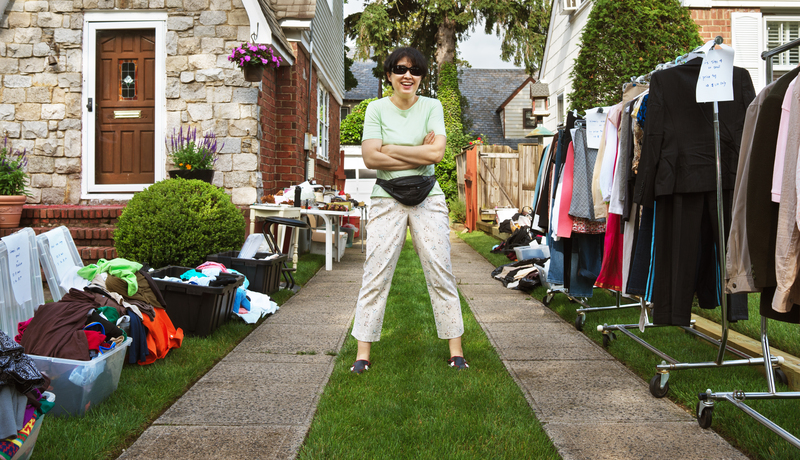
- Reduce waste at home by purchasing secondhand furniture, clothes, books, and home goods.
- Upcycle or repurpose old items instead of throwing them away--for example, using glass jars for food storage.
3. Reduce Food Waste in Your Kitchen
Food waste is a major component of household garbage. By managing what you buy, cook, and throw away, you can make a major impact. Here's how to minimize food waste at home:
- Plan Your Meals: Plan weekly menus and make shopping lists to buy only what you will use.
- Store Food Properly: Learn where and how to store perishables to maximize their shelf life.
- Use Leftovers Creatively: Incorporate leftovers into soups, salads, or casseroles.
- Compost Food Scraps: Compost fruit peels, egg shells, and vegetable trimmings for your garden.
- Understand "Best Before" Dates: Many foods are still safe after their "best before" date, so use your senses before discarding.
4. Embrace Reusable Alternatives
Switching to reusable products is one of the most effective ways to cut down waste in your home. Here are everyday swaps:
- Reusable Cloth Bags: Carry fabric shopping bags instead of accepting plastic bags.
- Water Bottles and Coffee Cups: Use stainless steel or glass bottles and cups instead of disposable versions.
- Beeswax Wraps: Ditch cling film and zip bags for reusable beeswax food wraps.
- Cloth Napkins and Towels: Replace paper towels with washable napkins and cleaning cloths.
- Rechargeable Batteries: Cut down on battery waste by using rechargeable options.
By opting for reusable products, you can minimize single-use waste and keep trash bins lighter.
5. Optimize Home Recycling Practices
Effective home recycling goes beyond simply separating paper and plastics. To truly reduce home waste:
- Educate Yourself: Learn what your local recycling program accepts and how materials must be sorted.
- Clean Recyclables: Rinse food containers before recycling to avoid contamination.
- Don't Wishcycle: Only recycle items that are genuinely accepted in your area--improper recycling can disrupt facilities.
- Recycle E-Waste Properly: Safely dispose of electronics at approved e-waste collection centers.
Recycling is just one step--remember to focus first on refusing, reducing, and reusing before recycling.
6. Composting: Turning Kitchen and Yard Waste into Gold
Instead of sending food scraps and lawn clippings to the landfill, consider composting at home. Compost:
- Reduces the volume of your waste by up to 30%.
- Provides valuable nutrients for your garden or potted plants.
- Lowers methane emissions from landfills by diverting organic matter.
You can compost even in small spaces. Countertop compost bins, worm bins, or outdoor composters are all excellent options to minimize organic waste in your home.
7. Reduce Paper Waste
- Opt for Digital Bills: Switch to electronic statements and paperless billing where possible.
- Cancel Unnecessary Subscriptions: Stop junk mail and catalogs you no longer need.
- Reuse and Recycle Paper: Use both sides of paper and recycle shredded documents responsibly.
8. Be Mindful in the Bathroom
Even in the bathroom, you can minimize home waste:
- Choose bar soaps and shampoos instead of plastic bottles.
- Switch to reusable razors and washable makeup remover pads.
- Buy toilet paper made from recycled materials or consider bidet attachments to cut toilet paper use overall.
9. Repair, Don't Replace
- Fix broken electronics, clothes, and furniture instead of tossing them out.
- Participate in local repair cafes or workshops to learn new skills and extend product lifespans.
*Repairing and maintaining household goods is one of the most sustainable ways to minimize your family's waste footprint.*
10. Make Eco-Friendly Cleaning Products
- DIY household cleaners with common ingredients like vinegar, baking soda, and lemon reduce both packaging and chemical waste.
- Buy concentrated cleaning products and dilute them at home to save both money and plastic.
11. Educate the Household and Build Habits
Sustainable living works best when everyone is on board. Encourage your family or roommates by:
- Setting clear recycling and composting guidelines.
- Involving the kids in meal planning or gardening.
- Having regular decluttering sessions with targeted waste reduction goals.
*The more engaged your household, the easier it is to turn these practices into lasting habits that minimize household waste year after year.*
Additional Zero-Waste Home Tips
- DIY Instead of Buying: Make gifts, cleaners, and decor at home using what you have instead of purchasing new items.
- Borrow or Share: Use community tool libraries, swap with neighbors, or participate in online groups for borrowing household items you use infrequently.
- Be Mindful of Holiday Waste: Use reusable decorations and avoid disposable gift wrap.
Benefits of a Low-Waste Household
- Cost Savings: Reducing consumption and reusing items saves money over time.
- Reduced Clutter: Consuming less means a tidier, more organized home.
- Healthier Choices: Eco-friendly products often mean exposure to fewer toxins and chemicals.
- Personal Empowerment: Making a noticeable difference in your environmental footprint is empowering and rewarding.
Conclusion: Start Today to Minimize Home Waste
Minimizing waste in your home is achievable, practical, and deeply rewarding. Begin by assessing your current waste production and pick a few easy changes to implement right away. Small actions--like switching to reusable products, composting, and adjusting shopping habits--can collectively bring about significant positive impact for both your home and the planet.
With commitment and creativity, you can develop a sustainable, waste-free household. Remember, every step matters--so start today and experience the rewarding benefits of a cleaner, greener, low-waste home!
Share these effective strategies to minimize waste at home with your family, friends, and community. Together, we can build a more sustainable future one household at a time.